environment

environment

Gg1

Senin, 20 Februari 2012

Nutrisi Tinggi Dari Kacang Merah


Nutrisi Tinggi Dari Kacang Merah
http://www.sinergifitness.com/site2/kumpulan-artikel-fitness-a-kesehatan/34-artikel/105-nutrisi-tinggi-dari-kacang-merah

Tahukah Anda jika kacang merah merupakan salah satu kelompok kacang polong yang paling terkenal di dunia? Ya, kacang merah sudah menjadi bahan berbagai masakan lezat di dunia yang digemari.

Kacang merah biasa dikonsumsi ketika sudah benar-benar masak berupa kacang kering. Di Indonesia, kacang merah kering umumnya dimasak menjadi bubur, sup atau campuran sayur, nasi tim atau es. Kacang merah juga sering dimasak menjadi selai manis yang digunakan sebagai pengisi beberapa kue seperti bakpau, kue bulan, kue moci, kue dorayaki, donat isi, dan lain-lain.

Kacang merah tergolong makanan nabati kelompok kacang polong (legume); satu keluarga dengan kacang hijau, kacang kedelai, kacang tolo, dan kacang uci. Ada beberapa jenis kacang merah diantaranya adalah red bean, kacang adzuki (kacang merah kecil), dan kidney bean (kacang merah besar).

Kandungan Nutrisi Kacang Merah

Selain dimasak menjadi berbagai makanan lezat, kandungan nutrisi kacang merah juga luar biasa kaya. Kacang merah kaya akan asam folat, kalsium, karbohidrat kompleks, serat, dan protein yang tergolong tinggi. Kandungan karbohidrat kompleks dan serat yang tinggi dalam kacang merah membuatnya dapat menurunkan kadar kolesterol darah. Kadar indeks glikemik kacang merah juga termasuk rendah sehingga menguntungkan penderita diabetes dan menurunkan risiko timbulnya diabetes.

Kacang merah kering adalah sumber karbohidrat kompleks, serat makanan (fiber), vitamin B (terutama asam folat dan vitamin B6), fosfor, mangaan, besi, thiamin, dan protein. Setiap 100 gram kacang merah kering yang telah direbus dapat menyediakan 9 gram protein atau 17 persen dari angka kecukupan protein harian.

Kandungan protein dan profil asam amino dalam 100 gr kacang merah (kidney bean) dari yang terbanyak adalah asam glutamat (1323 mg), asam aspartat (1049 mg), leucine (693 mg), lysine (595 mg), arginine (537 mg), serine (472 mg), phenylalanine (469 mg), valine (454 mg), isoleucine (383 mg), proline (368 mg), threonine (365 mg), alanine (364 mg), glycine (339 mg), dan lain-lain sisanya di bawah 300 mg.

Kandungan protein dalam kacang polong, termasuk kacang merah, sudah lama diakui kontribusinya pada menu makanan sehari-hari. Bahkan kacang merah memasok kebutuhan protein hampir sama banyaknya dengan daging. Walaupun protein nabati yang terkandung dalam kacang merah tergolong protein tak lengkap karena kurang lengkanya profil asam amino esensial, namun dengan mudah dapat dilengkapi dengan mengkonsumsi kacang merah bersama padi-padian/sereal, produk susu, atau sejumlah kecil daging. Jadi, tidak sulit untuk melengkapi kekurangan komponen protein (asam amino) yang terdapat pada kacang merah.

Nutrisi vitamin dalam kacang merah diantaranya adalah folat yang mampu mencukupi kebutuhan harian sebesar 33 persen, 11 persen kebutuhan thiamin, 10 persen kebutuhan vitamin K, 6 persen kebutuhan vitamin B6, dan lain-lain sisanya di bawah 3 persen.

Kandungan mineral kacang merah mampu mencukupi masing-masing 24 persen kebutuhan harian mineral mangaan, 16 persen kebutuhan mineral besi, 14 persen kebutuhan mineral fosfor, 12 persen kebutuhan mineral potassium dan tembaga, 11 persen kebutuhan mineral magnesium, 7 persen kebutuhan mineral zinc, dan lain-lain sisanya di bawah 3 persen. Kandungan mineral dalam kacang merah kecil (adzuki bean) lebih banyak daripada jenis kacang merah besar (kidney bean).

Kacang merah nyaris bebas lemak, natrium, kolesterol dan sodium. Selain itu kacang merah sangat rendah kalori (hanya 6 persen per 100 gr), serta murah harganya. Bahkan kacang merah mampu mencukupi 30 persen kebutuhan serat makanan (fiber) dan mengandung 168 mg asam lemak Omega-3 dan 107 mg asam lemak Omega-6.

Manfaat Nutrisi Kacang Merah

Melihat berbagai kandungan nutrisi kacang merah diatas, maka dapat diuraikan berbagai manfaatnya, yaitu :

Mencegah kolesterol jahat dan memperlancar pencernaan (anti sembelit). Kandungan fibernya yang tinggi difermentasi dalam usus besar dan menghasilkan asam-asam lemak rantai-pendek, yang dapat menghambat sintesis kolesterol hati. Belum lagi kandungan Omega-3 dan Omega-6 juga akan sangat membantu;
Mencegah resiko diabetes karena kandungan karbohidrat kompleknya berglikemik indek rendah dan termasuk lamban cerna;
Membantu pematangan sel darah merah, membantu sintesa DNA dan RNA, serta menurunkan level homosistein dalam pembuluh arteri (sehingga mengurangi resiko penyakit jantung) dengan kandungan folat dan vitamin B6;
Membantu program diet karena fibernya akan membuat Anda merasa kenyang dan kalorinya juga sangat rendah. Apalagi kandungan protein nabatinya akan bermanfaat untuk perkembangan massa otot tubuh;
Menjaga fungsi sistem syaraf, metabolisme karbohidrat, dan mencegah penyakit beri-beri dengan kandungan thiamin;
Membantu proses metabolisme asam amino, asam lemak, lipid, glukoneogenesis, sintesis neurotransmitter, sintesis histamine, sintesis dan fungsi haemoglobin serta menjaga kesehatan kulit dengan kandungan vitamin B6;
Membantu proses pembekuan darah pada luka
Membantu pembentukan komponen utama sel-sel darah merah, pembentukan enzim, pembentukan tulang, mencegah resiko anemia (darah rendah) dengan kandungan zat mineral zinc, besi, dan tembaga;

Tips Memasak Kacang Merah

Untuk mengurangi kandungan toksin (lectin phytohaemagglutinin) dan gas pada usus yang dihasilkan oleh oligosakarida kacang merah, ada beberapa langkah yang dapat dilakukan. Sehabis kacang merah direndam, buanglah air rendamannya, rebus dengan air yang banyak dalam panci berpenutup selama 2-3 menit, lalu biarkan selama 2 jam. Buang air rebusan tersebut, tambahkan air baru pada suhu kamar hingga kacang merah benar-benar terendam. Sesudah dua jam, buang kembali air itu dan tambahkan lebih banyak air dan biarkan terendam semalam sebelum benar-benar akan dimasak.

Sabtu, 04 Februari 2012

Apakah Madu Diizinkan di Diet Diabetes?


Is Honey Allowed in Diabetic Diet?
http://www.benefits-of-honey.com/diabetic-diet.html


The diabetic diet is strictly controlled in terms of sugar and mineral compounds intake. Hence it's not surprising that "whether honey is allowed for diabetic patients" is a frequently asked question for Benefits of Honey.
Diabetes is a deficiency of the pancreas, whereby insulin is not produced sufficiently or utilised properly. It’s basically a disorder of metabolism, primarily that of carbohydrates. The ingested sugars and starches cannot be deployed, and hence are eliminated in the urine. Symptoms of diabetes include frequent urination, extreme thirst or hunger, weight loss, fatigue, numbness, and infections. There are 2 types of diabetes. In type 1 diabetes, the body doesn't produce any insulin, whereas, people with type 2 diabetes either don't produce enough insulin or their cells resist the insulin, and they tend to be overweight, because the high insulin levels, unable to channel glucose into muscle cells, convert glucose into fat and cholesterol instead. This results not only in obesity, but also very often heart disease, poor blood circulation in the legs and eye diseases. While type 1 diabetes is treated with insulin injections, which help glucose get into the body cells and maintain blood glucose control, type 2 diabetics commonly use glucose-lowering drugs. Most diabetics are type 2 and are usually in their 40s.

With appropriate control, many diabetics and pre-diabetes (people with blood glucose levels higher than normal person but not high enough to be considered diabetic) are still able to safely enjoy natural honey. Before incorporating honey into their meal planning, find out how much of the sweet liquid can be consumed on a daily basis. Each diabetic is different and should learn how his or her body reacts to different foods containing carbohydrates. Bear in mind that the total amount of starches or carbohydrates in a food is the key consideration, not the amount of sugar. Honey is a carb food as well, just like rice, potatoes, thus just keep in mind that 1 tablespoon of honey has approximately 17 grams of carbohydrate, and taking that into account when counting your total daily intake of carbohydrates, diabetics can work it out just like any other sweetener or carbohydrates. To monitor response to honey, blood sugar levels could be noted before consumption and again two hours later. Also, when purchasing commercial honey for diabetic patients, be sure that it is pure and not adulterated by glucose, starch, cane sugar, and even malt, which is to better to be avoided in a diabetic diet.

You get (99 per cent of the time) a "no-no" answer when you ask doctors if honey is allowed for diabetics. This is not surprising as the idea of eating honey to regulate blood glucose seems rather counter intuitive. But did they ever tell you that clinical studies have shown that pure honey is a healthier choice in diabetic diet than table sugar and any other non-nutritive sweeteners such as Splenda, saccharin, aspartame? Honey requires lower levels of insulin compared to regular white sugar and does not raise blood sugar levels as rapidly as table sugar, that is, it has a lower Glycemic Index than sugar. Though honey contains a significant amount of sugar, it consists largely of two simple individual units of sugar - glucose and fructose, which are absorbed at different rates into the body. In fact, Dr Ron Fessenden reveals in his book, The Honey Revolution that "the more glucose intolerant one is, the lower the blood sugar response after honey ingestion versus the higher the blood sugar response after consuming sucrose or glucose". The book further explains why honey is able to perform this remarkable regulatory role. The perfect one-to-one ratio of fructose and glucose found in honey facilitates glucose intake to the liver, hence preventing an overload of glucose entering the blood circulation. And nature's honey is the only sugar that possesses this special ability.

Next, the use of monosaccharide fructose is often recommended to sweeten the diet of diabetics due to its significantly lower GI. The trouble is, fructose is absorbed differently than other sugars. It is not utilized for energy like glucose, but stored in the liver as triglycerides. This presents a great metabolism burden on the liver and can eventually lead to major health issues related to obesity and further health damages for diabetics. Sadly, in their quest to avoid sugar in foods, many diabetics miss the point when they start to plan their diet around "fructose fruit sugar", "diabetic birthday cake", "NutraSweet ice-cream", "sugar-free candies", etc, which all contain corn syrup or artificial sweeteners that can be potentially even more harmful than regular sugar when consumed in the long term.

=====================

Apakah Madu Diizinkan di Diet Diabetes?


Diet diabetes secara ketat dikontrol dalam hal gula dan mineral asupan senyawa. Oleh karena itu tidak mengherankan bahwa "madu apakah diperbolehkan untuk pasien diabetes" adalah pertanyaan yang sering diajukan untuk Manfaat Madu.
Diabetes adalah kekurangan pankreas, dimana insulin tidak diproduksi cukup atau digunakan dengan benar. Ini pada dasarnya gangguan metabolisme, terutama yang dari karbohidrat. Gula dan pati tertelan tidak dapat digunakan, dan karenanya dieliminasi dalam urin. Gejala diabetes antara lain sering kencing, rasa haus ekstrim atau kelaparan, penurunan berat badan, kelelahan, mati rasa, dan infeksi. Ada 2 jenis diabetes. Pada diabetes tipe 1, tubuh tidak memproduksi insulin apapun, sedangkan, orang dengan diabetes tipe 2 juga tidak menghasilkan cukup insulin atau sel mereka menolak insulin, dan mereka cenderung kelebihan berat badan, karena kadar insulin tinggi, tidak mampu saluran glukosa ke dalam sel otot, mengubah glukosa menjadi lemak dan kolesterol sebagai gantinya. Hal ini mengakibatkan tidak hanya pada obesitas, tetapi juga sangat sering penyakit jantung, sirkulasi darah yang buruk di kaki dan penyakit mata. Sementara diabetes tipe 1 diobati dengan suntikan insulin, yang membantu glukosa masuk ke sel-sel tubuh dan mempertahankan kontrol glukosa darah, penderita diabetes tipe 2 biasanya menggunakan obat penurun glukosa. Kebanyakan penderita diabetes tipe 2 dan biasanya di usia 40-an.

Dengan kontrol yang tepat, banyak penderita diabetes dan pra-diabetes (orang dengan tingkat glukosa darah lebih tinggi dari orang normal tetapi tidak cukup tinggi untuk dipertimbangkan diabetes) masih dapat dengan aman menikmati madu alam. Sebelum memasukkan madu ke dalam perencanaan makan mereka, mengetahui berapa banyak cairan manis dapat dikonsumsi setiap hari. Diabetes masing-masing berbeda dan harus belajar bagaimana tubuh nya bereaksi terhadap makanan yang berbeda yang mengandung karbohidrat. Ingatlah bahwa jumlah total pati atau karbohidrat dalam makanan adalah pertimbangan utama, bukan jumlah gula. Madu adalah makanan karbohidrat juga, seperti nasi, kentang, sehingga hanya perlu diingat bahwa 1 sendok makan madu memiliki sekitar 17 gram karbohidrat, dan mengambil yang ke account user ketika menghitung total asupan harian Anda dari karbohidrat, penderita diabetes dapat menyelesaikannya sama seperti pemanis lainnya atau karbohidrat. Untuk memonitor respon terhadap madu, kadar gula darah dapat dicatat sebelum dikonsumsi dan lagi dua jam kemudian. Juga, ketika membeli madu komersial untuk pasien diabetes, pastikan bahwa itu adalah murni dan tidak tercemar oleh glukosa, pati, gula tebu, dan bahkan malt, yaitu untuk lebih baik yang harus dihindari dalam diet diabetes.

Anda mendapatkan (99 persen dari waktu) "tidak-tidak" ketika Anda meminta dokter madu yang diperbolehkan untuk penderita diabetes. Hal ini tidak mengejutkan karena ide makan madu untuk mengatur glukosa darah tampaknya agak kontra intuitif. Tapi apakah mereka pernah mengatakan bahwa studi klinis telah menunjukkan bahwa madu murni merupakan pilihan yang sehat dalam diet diabetes dari gula meja dan setiap non-gizi lain seperti pemanis Splenda, sakarin, aspartam? Madu membutuhkan tingkat lebih rendah insulin dibandingkan dengan gula putih biasa dan tidak meningkatkan kadar gula darah secepat gula meja, yaitu, ia memiliki Glycemic Index rendah dari gula. Meskipun madu mengandung sejumlah besar gula, sebagian besar terdiri dari dua unit individu sederhana dari gula -, glukosa dan fruktosa yang diserap pada tingkat yang berbeda ke dalam tubuh. Bahkan, Dr Ron Fessenden mengungkapkan dalam bukunya, Revolusi Madu bahwa "satu lebih banyak glukosa intoleran adalah, semakin rendah respon gula darah setelah konsumsi madu versus tinggi respon gula darah setelah mengkonsumsi sukrosa atau glukosa". Buku ini lebih lanjut menjelaskan mengapa madu dapat melakukan ini peran regulasi yang luar biasa. Rasio satu-ke-satu yang sempurna dari fruktosa dan glukosa yang ditemukan dalam madu memfasilitasi asupan glukosa ke hati, maka mencegah kelebihan beban glukosa memasuki sirkulasi darah. Dan madu alam adalah gula hanya yang memiliki kemampuan khusus.

Berikutnya, penggunaan fruktosa monosakarida sering dianjurkan untuk mempermanis pola makan penderita diabetes karena GI secara signifikan lebih rendah. Masalahnya, fruktosa diserap berbeda dari gula-gula lain. Hal ini tidak dimanfaatkan untuk energi seperti glukosa, tetapi disimpan dalam hati sebagai trigliserida. Ini menyajikan beban metabolisme yang besar pada hati dan akhirnya dapat menyebabkan masalah kesehatan utama yang berhubungan dengan obesitas dan kerusakan kesehatan lebih lanjut untuk penderita diabetes. Sayangnya, dalam pencarian mereka untuk menghindari gula dalam makanan, banyak penderita diabetes kehilangan titik ketika mereka mulai merencanakan diet mereka sekitar "gula buah fruktosa", "diabetes kue ulang tahun", "NutraSweet es krim", "bebas gula permen", dll, yang semuanya mengandung sirup jagung atau pemanis buatan yang dapat berpotensi lebih berbahaya daripada gula biasa bila dikonsumsi dalam jangka panjang.

Bawang Merah Untuk Obat Batuk


Bawang Merah Untuk Obat Batuk
http://batukpilek.com/search/bawang+merah+untuk+obat+batuk
Penurun panas, batuk, dan pilek
MAR 15TH
Posted by japil in Pilek 3 comments
Obat tradisional banyak memberi manfaat bagi manusia, selain proses-nya secara alami memperkuat imun tubuh, juga dapat diperoleh dengan mudan dan murah. Berikut salah satu cara merekan batuk dan pilek secara alami :
Parut bawang merah, tambahkan minyak telon, lalu balurkan pada punggung sampai bagian pantat sambil sedikit diurut. Juga pusar dan ubun-ubun. Untuk ramuan minum: air kelapa satu cangkir ditambah 1 sendok teh madu, aduk, lalu kukus. Setelah dingin, berikan pada anak sebanyak 3 sendok teh setiap 2 jam sekali. Ramuan ini diberikan untuk bayi 8 bulan ke atas. Bila usia anak di bawah 8 bulan, cukup dengan pemberian ASI atau ibunya yang minum ramuan tersebut.

Pada orang dewasa dapat gunakan ramuan minum berupa air kunyit dan madu. Setengah sampai satu ruas jari kunyit yang sudah bersih dibakar, dikerik kulitnya, diparut, lalu diberi air matang 1/2 cangkir, peras, kemudian diendapkan. Campur bagian air kunyit yang tanpa endapan dengan kocokan 1 butir kuning telur dan 1 sendok makan madu, kemudian disuapkan pada di badan. Ramuan ini bisa untuk penurun panas seperti pada sakit cacar air, flu, atau apa saja.

Penggunaan antibiotik sebaiknya dihindarkan karena berpotensi membunuh dan melemahkan imun tubuh. Selain itu pilek juga dapat disebabkan oleh alergi, kenali alergan dengan baik, dan tingkatkan daya tahan tubuh juga dengan makan makanan yang sehat serta olah raga secara teratur.

Menggunakan sambiloto juga cukup efektif untuk meredakan pilek menahun

Rabu, 01 Februari 2012

Cara Olah Kulit Manggis Agar Berkhasiat


Cara Olah Kulit Manggis Agar Berkhasiat
Antony Lee | Asep Candra | Kamis, 2 Februari 2012 | 11:26 WIB
http://health.kompas.com/read/2012/02/02/11262337/Cara.Olah.Kulit.Manggis.Agar.Berkhasiat

KOMPAS/ANTONY LEE
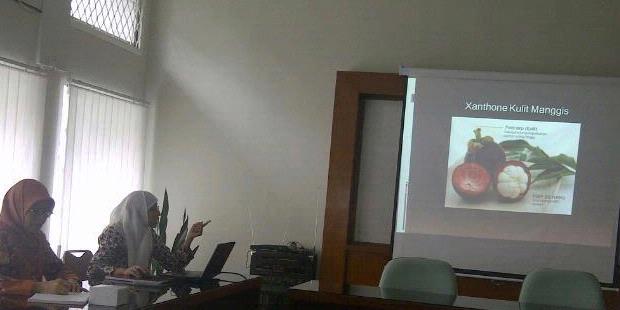
Peneliti manggis dari Fakultas Teknologi Pertanian Institut Pertanian Bogor (IPB), Dr Indah Yuliasih (kanan), memaparkan pemanfaatan kulit buah manggis menjadi ramuan berkhasiat.
TERKAIT:
Kulit Manggis Bikin Awet Muda
BOGOR, KOMPAS.COM - Kulit buah manggis ternyata sangat berguna untuk menghambat proses penuaan, mencegah penyakit pembuluh darah, dan menjadi antikanker. Nah, Dr Indah Yuliasih, peneliti manggis dari Fakultas Teknologi Pertanian Institut Pertanian Bogor (IPB), memberikan cara mengolah kulit buah ini menjadi minuman menyegarkan dan nikmat.
Dalam diskusi pagi bersama wartawan di IPB, Kamis (2/2/2012), Indah menuturkan proses pembuatan minuman berkhasiat ini. Pertama, pisahkan kulit manggis dengan buahnya. Pengolahkan bisa dengan mengikutsertakan biji manggis (kaya lemak) atau hanya sekadar kulit manggis yang mengandung Xanthone. Gunakan sendok untuk mengeruk bagian dalam kulit yang sudah dibersihkan, dan pisahkan dari kulit keras di bagian luarnya.
Setelah itu, dinginkan di dalam lemari pendingin jika hendak disimpan hingga jumlahnya mencukupi. Lalu, campur dengan ethanol dan air dengan perbandingan 1:2 dan hancurkan dengan blender. Endapkan selama 24 jam, setelah itu saring untuk memisahkan ampas dengan ekstrak Xanthone kulit manggis.
"Untuk membuat rasa yang enak, bisa dicampur dengan madu dan beri pewarna alami ekstrak bunga rosela, dan anggur atau apel sebagai penambah flavor," tutur Indah.
Menurut Indah, hasil pencampuran Xanthone dengan rosela dan madu dipanaskan dengan suhu 90-95 derajat celsius selama 10 menit untuk menguapkan ethanol. Setelah itu, dinginkan dengan suhu kamar lalu campurkan dengan flavor anggur atau apel. Nah, sirup Xanthone siap untuk dinikmati dengan dicampur air. Silahkan mencoba.

Selasa, 31 Januari 2012

Natural Homemade Flu-Protection Preparation: Red Onion/Anise/Manuka Honey Syrup (resep bawang merah untuk flu)

Natural Homemade Flu-Protection Preparation: Red Onion/Anise/Manuka Honey Syrup
http://www.naturalhealthscience.com/blog/natural-health-science/natural-homemade-flu-protection-preparation-red-onionanisemanuka-honey-syrup/
Bruce Berkowsky, N.M.D., M.H., H.M.C.

Copyright 2009 by Joseph Ben Hil-Meyer Research, Inc.

This third article of a series of articles about the flu begins my discussion concerning relevant natural therapies. With public trepidation about a potential swine flu epidemic heating up again, this series is both relevant and timely.

If you missed one or both of the first two articles and would like to read them, click on the following links:

Germ Theory: The Traditional Naturopathic Perspective – Part I

Germ Theory: The Traditional Naturopathic Perspective – Part II

In this and the next few issues of Nature’s Therapies, I will present a variety of unique natural therapeutic options that may prove of good service in addressing prevention, and the symptoms, of the flu.

In this article, I will first describe the flu disease process and the conventional medical treatment of the disorder, including vaccination. Then, I begin my presentation of various alternative, natural therapeutic options with a focus upon quercetin, onions, star anise and manuka honey, and provide instructions for a unique, easy-to-prepare homemade medicine.

What is the Flu?
Influenza, or “flu,” is a contagious viral illness that often occurs in an epidemic pattern. Usually spread via small-particle aerosols projected by coughing, sneezing and even talking, it is characterized by an abrupt onset of fever, chills, weakness, sore throat, dry cough and coughing fits (which cause pain beneath the breastbone), nasal stuffiness and discharge, muscle aches (especially of the arms and legs), headache, and occasionally, abdominal pain and nausea.

The fever may last from 1 to 7 days but typically lasts 3 to 5 days. The viral infection causes swelling and inflammation of the lining of the respiratory tract, predisposing it to secondary bacterial infection. In turn, the enzymes produced by the harmful bacteria activate more flu virus.

Common complications of influenza include acute bronchitis, acute sinusitis, bacterial pneumonia (the most common complication), and middle ear infection. The elderly and chronically ill are at particular risk for developing complications. These individuals can be so weakened by flu that their defenses against disease-causing bacteria become dangerously low.

Reye’s Syndrome, a severe complication of flu and other viral illnesses (particularly in young children), is characterized by possible liver failure and brain damage, and has been associated with the use of aspirin during the course of treatment.

Conventional Medical Treatment Of The Flu

Conventional treatment for the common cold and influenza are quite similar and may include: acetaminophen or non-aspirin NSAID for fever and headache; decongestants such as pseudoephedrine for stuffy nose; warm salt water gargle and humidifier treatment for sore throat; cough suppressants such as dextromethorphan.

Antibiotics (which are ineffective in treating viral infections) are prescribed only when bacterial complications are present. The flu patient is also advised to curb activities for the 2 to 5 days of severest illness.

Flu Vaccines

As concern about the swine flu is ratcheting up again, there is a lot of discussion about a vaccine. Of course, whether or not to opt for being vaccinated is a personal choice. However, it is important in this reference that your decision be an informed one that thoroughly examines the risk-to-benefit ratio.

Vaccines are controversial drugs because whatever good they may offer is counterbalanced by a significant level of risk. In order to reassure a jittery public, the medical establishment and the media downplay the risk. But there is no denying that the injection of pathogenic microorganisms deeply into the tissues of the body in order to elicit microbe-specific immunity has no precedent in nature. Disease is most often the product of the violation of the Laws of Nature. Violation of the Laws of Nature is only one of the reasons why vaccination can potentially exert destructive action within the body.

The active ingredient in a flu vaccine is either killed viruses or weakened live ones. Additionally, vaccines can contain chemical toxins such as formaldehyde, carbolic acid, ethylene glycol (the main constituent of antifreeze) and certain antibiotics.

This time around, the risk may be even greater as the manufacturers are exploring the possibility of adding an adjuvant made of various forms of aluminum (including aluminum hydroxide) to the swine flu vaccine. Ostensibly, the adjuvant is added to increase the vaccine’s effectiveness (by stimulating immunological hyper-reaction to the organism being introduced), but it is also included to stretch the available supply of the vaccine by reducing the amount of vaccine required to treat each person.

While adjuvants increase the risk of harmful side-effects from the vaccine, this increased risk is deemed acceptable by drug companies and public health officials seeking to maximize the number of vaccine doses available for a mass vaccination campaign.

Aluminum build-up in tissues has been associated with a variety of chronic disorders including cancer, Alzheimer’s disease, memory loss, osteoporosis, decreased liver and kidney function, anemia, headaches and extreme nervousness.

Aluminum can cause nerve cell death and aluminum adjuvants can help facilitate aluminum’s deposition in brain tissue. Normally, the blood-brain barrier protects the brains by filtering the blood before it reaches it. While elemental aluminum does not easily pass through the blood-brain barrier, various aluminum compounds do.

Aluminum hydroxide specifically may cause vaccine allergy, anaphylaxis, and a chronic inflammation syndrome called macrophage myofascitis. Cats injected experimentally with aluminum hydroxide often develop at the site of injection malignant tumors derived from fibrous connective tissue called fibrosarcomas.

Most flu vaccines also contain about 25 micrograms of a preservative called thimerosal. By weight, mercury constitutes 49.6 percent of thimerosal, which is metabolized or degraded into ethylmercury and thiosalicylate.

Thimerosal is actually far more toxic than mercury itself and can cause long-term immune, sensory, neurological, motor, and behavioral dysfunctions. This mercury preservative (anecdotally associated with autism by many observers) may also be a factor in attention deficit disorder, speech and language deficiencies and multiple sclerosis.

Natural Therapeutic Options

Quercetin:

Fortunately, there are a wide variety of natural therapeutic options regarding the prevention and treatment of the flu. I have decided to begin my discussion of these with quercetin because it is one that is not widely discussed and provides the opportunity to present instructions for an easy-to-prepare homemade syrup.

Quercetin is a flavonoid and a building block for other flavonoids (a class of water-soluble plant pigments) which has been shown to exert anti-inflammatory action (inhibits the activity of histamine and other allergic/inflammatory mediators) and antioxidant action (combats free radicals).

Some studies have suggested that quercetin may play a role in cancer prevention. It is notable that quercetin is found only in plant-derived foods, and diets high in fruits and vegetables have been associated with reduction in cancer incidence. Quercetin is also considered to be a phytoestrogen (a plant biochemical which functions similarly to estrogen).

Quercetin may also prove useful in the prevention and treatment of: allergies, asthma, bronchitis, cataracts, chronic fatigue (by encouraging the production of mitochondria: the organelle within each cell responsible for the production of the energy compound ATP), gout (may help reduce the production of uric acid), heart disease (may help prevent the oxidation of LDL: “bad” cholesterol, hypertension, chronic prostatitis and interstitial cystitis.

Importantly, quercetin has been shown to reduce the risk of flu in experimental studies with mice. A higher consumption of quercetin has also been linked with lowered incidence of the common cold. Considering this evidence of quercetin’s protective influence regarding infectious viral diseases, University of South Carolina researcher J. Mark Davis, PhD suggests a high consumption of quercetin-rich foods. In this reference, he considers the best quercetin source to be red onions as these contain four-times as much quercetin as does most other produce.

Good sources of quercetin include: apples, broccoli, buckwheat, cabbage, capers, cauliflower, cherries, citrus fruit, green tea, red grapes, leafy green vegetables, lovage, onions (especially red onion where the highest concentrations of quercetin occur in the outermost rings), raspberries, tomatoes.

Organically grown fruits, vegetables, etc. contain more of this valuable flavonoid. One study found that organically grown tomatoes contain 79% more quercetin than non-organic tomatoes.

Based upon all the positive research, quercetin supplements are quite popular. However, isolated quercetin is poorly absorbed and utilized, with much of it metabolized into non-active phenolic acids or simply excreted.

Nutrients are always better absorbed from whole foods than they are as isolated moieties.

In whole foods, nutrients never occur in isolation, but rather, in conjunction with a host of other synergistic nutrients which enhance their absorption and utilization. Thus, it is my feeling that if one wants to load up on quercetin, the best way to do that is to ingest high-quercetin foods such as organic red onions. In addition to adding them to salads or steamed vegetables, the traditional herbal preparation presented below may prove of good service.

Medicinal Value Of Onions:

Before presenting the recipe for onion syrup, it is worthwhile to take a brief look at the medicinal value of onions.

The onion (Allium cepa), like its close relative garlic, is a member of the lily family. Both onion and garlic are rich in thiosulfinates, sulfides, sulfoxides, and other sulfur compounds. The thiosulfinates exhibit anti-microbial properties that underlie onion’s effectiveness against a wide spectrum of pathogenic bacteria, including Bacillus subtilis, salmonella, and E. coli.

Onions have been used for centuries as a medicinal agent. Early American settlers used wild onions to treat asthma, colds and coughs. Onions can be used to reduce bronchial spasms, and an onion extract has been shown to decrease allergy-induced bronchial constriction in asthma patients. In Chinese medicine, onions are used to treat coughs, bacterial infections, and respiratory problems (as well as angina).

Additionally, onions are a very rich source of a type of fructo-oligosaccharide, which not only stimulates the growth of probiotic colon bacterial species and suppresses the growth of potentially pathogenic colon bacterial species, it can also reduce the risk of colon cancer.

Onions, like garlic, contain sulfides (which help reduce blood fats and blood pressure) as well as anti-clotting agents that can inhibit platelet-clumping. The sulfides in onions have anti-tumor properties. In the area of Georgia where Vidalia onions are grown, mortality rates from stomach cancer are one-half the average rate for the United States in general. One study found that, among elderly people in the Netherlands, those with the highest onion consumption (at least one-half onion per day) had one-half the level of stomach cancer of those who did not consume any onions.

Apparently, the less pungent, milder, sweet onion varieties are less effective as medicinal agents. Stronger onions such as the Western Yellow and Northern Red varieties have the richest content of flavonoids and phenolics, and thus, exert a much higher level of antioxidant and anti-proliferative activity.

Star Anise:

Star anise (Illicium vernum) is a star-shaped, reddish brown fruit native to Southeast Asia where it is used as a traditional tasty spice. Star anise’s flavor resembles ordinary anise seed (to which it is not related), however, it is the star-shaped seedpods, rather than the seeds themselves, which provide star anise’s flavor.

Star anise is considered to be anti-bacterial, diuretic and stomachic. It aids digestion and is used to treat rheumatism. In China, star anise has traditionally been used to treat the common cold and other viral diseases.

This herb contains shikimic acid, a chemical compound used in the production of the anti- flu drug Tamiflu. While shikimic acid itself does not exert antiviral activity, it has a distinctive chemical structure that serves as the starting point in the production of Tamiflu.

Tamiflu, a neuraminidase inhibitor, does not directly destroy swine flu or other influenza viruses. Rather, it inhibits the spread of these viruses within the body by blocking a protein that facilitates the egress of replicating viral particles from body cells. Other herbal sources of shikimic acid include ginger and fennel.

Star anise also contains linalool, a chemical compound that does exert antiviral activity. The herb also exerts a strong antioxidant action that specifically helps limit the deposition of cholesterol in arterial walls via inhibition of the oxidation of fatty acids. Limonene, another phytonutrient found in star anise, exerts anti-cancer activity.

If you cannot find star anise (although it is a common herb, there may be a shortage of it during the flu season), substitute common anise seed (Pimpinella anisum). As noted, the anise seed and star anise plants are unrelated botanically. Anise seed is a member of the parsley family and native to the Eastern Mediterranean. Anethole is the biochemical that accounts for its distinctive sweet-licorice taste. Like anise seed, star anise’s flavor also derives primarily from anethole. Both anise seed and essential oil of anise seed are noted as being of value in the treatment of influenza. The essential oil is also used to treat the following relevant symptoms: general fatigue, chilliness, sluggish circulation, common cold, vertigo, asthma, bronchial spasm, cough and difficulty breathing.

Manuka Honey:

Manuka honey is a monofloral honey (nectar is derived from only one species of flower). It is produced in New Zealand by bees that feed on the flowers of the manuka plant, a close relative of the Australian tea tree.

A study by the University of Queensland, Australia indicated the presence of quercetin in honey derived from tea tree flowers. For hundreds of years, the tea tree was a source of medicinal remedies for the Australian Aborigines. For instance, they used the crushed leaves to treat cuts and skin infections. In 1923, an Australian government scientist discovered that the tea tree oil was twelve times stronger as an antiseptic bactericide than carbolic acid.

Tea tree oil is active against bacteria, fungi, parasites and viruses. It is a powerful immuno-stimulant that activates white blood cells and otherwise increases the body’s ability to respond to microbial challenges. Importantly, tea tree dissolves pus without damaging healthy tissues (when properly diluted), thus leaving the surface of an infected wound clean and allowing the oil’s germicidal action to proceed more effectively. Most pharmaceutical germicides destroy healthy tissue as well as bacteria.

Manuka honey (a dark-colored honey with a flavor reminiscent of tea tree oil) combines some of the healing actions of the tea tree with the naturally antibacterial properties of honey. Manuka honey can be used in wound-dressings to prevent infection. In general, honey is a natural antiseptic that speeds healing while helping to seal a wound from exposure to new infection. Manuka honey exerts antibacterial, antiseptic, antiviral, antioxidant, anti-inflammatory and antifungal properties.

Manuka honey is commonly referred to as UMF honey. Honey’s sugars give rise to the disinfectant: hydrogen peroxide. Manuka honey additionally contains an antibacterial component known as the “Unique Manuka Factor.” A UMF rating system has been developed to compare each manuka honey with standard disinfectants. The Unique Manuka Factor is unaffected by enzymes in the body that destroy hydrogen peroxide. Manuka honey also destroys bacteria by drawing water out of bacterial cells, thus making it impossible for them to survive.

Manuka honey appears to be effective against some strains of the antibiotic-resistant bacteria that occur in hospitals. Wound-dressings containing manuka honey have proven successful in treating life-threatening infections involving hard-to-kill bacteria such as MRSA (Methicillin-Resistant Staphylococcus aureus—a super staph infection) and VRE (Vancomycin-resistant enterococcus—a bacteria that causes severe intestinal infections).

Influenza is a viral illness, and although manuka honey does exert an anti-viral action, it is primarily noted for its anti-bacterial properties. However, as discussed above, common bacterial infection complications of influenza include acute bronchitis, acute sinusitis, bacterial pneumonia (the most common complication) and middle ear infection. The elderly and chronically ill are at particular risk for developing complications. These individuals can be so weakened by flu that their defenses against disease-causing bacteria become dangerously low.

Red Onion/Star Anise/Manuka Honey Syrup

Since the 1980s, I have been preparing garlic syrup (a traditional herbal medicine) using a method I developed and refined over the years. In this case, I am adapting that methodology to prepare a potent red onion/star anise/manuka honey syrup that may prove of value in enhancing one’s resistance to flu infection.

As you will see, the instructions are relatively simple.

Instructions:

1) Peel and finely mince sufficient red onion (organically grown red onion is preferable) to fill half of a quart mason jar.

2) Place 2 Tbsp. of ground star anise (if you cannot find star-anise, substitute anise seed, ground) in a stainless steel or glass cooking pot.

3) Bring to a boil: 24 oz. of unfiltered apple cider vinegar (make sure it is unfiltered, not refined, apple cider vinegar).

4) Next, pour the hot vinegar over the star anise and cover the pot. Let steep for 30 minutes.

5) Now, pour the vinegar/star anise mixture over the minced onions in the quart mason jar. The level of liquid should be above the level of onion. If not, add enough vinegar to be above onion.

6) Screw the mason jar lid on tightly and shake well. Store in a cool, dark place for 5 days, shaking the jar for about 30 seconds twice daily.

7) Next, add a sufficient amount of vegetable glycerine (glycerine will extract certain herbal components that may not diffuse into the vinegar) to raise the level of the mixture in the jar about 2 to 3 inches. Let stand for 2 more days, shaking the jar twice daily as before.

Now, using a fine strainer, strain the liquid from the pulp.

9) Place the onion and star anise pulp on a square of cheesecloth. Fold the edges of the cheesecloth over the pulp and squeeze out as much liquid as you can. Mix this rich liquid from pulp with the liquid that was previously strained off.

10) Measure the total amount of liquid you have recovered. Add one-third that amount of raw, unfiltered manuka honey to the strained liquid, and stir until it is thoroughly blended in. (You can substitute other types of raw honey, but Manuka honey is preferred).

11) Pour syrup into jars, seal tightly and store in the refrigerator.

Suggested Use (primarily as protection against flu):

Adults and children 12 years and older: Add 1 dessert spoonful to 6 oz. pure water, 2 to 3 times daily between meals.

Children: 2 to 11 years old: ½ of the above adult dose.

As an option, if you would like to add a little natural vitamin C, squeeze ½ tsp. of fresh lemon juice into each dose of the diluted syrup.

Important Notes:

1) Diabetics or individuals with hypoglycemia should avoid honey, and thus, this syrup.

2) Just to be cautious, I am suggesting that, as this syrup preparation contains honey, it not be used with children under 2 years old. However, the general rule is not to use honey with children under 12 months old as it may cause infant botulism.*

*Infant botulism is caused by the ingestion of Clostridium spores commonly found in honey or corn syrup. Bees, corn, and sugar cane pick up spores from soil. Due to the high sugar content of these sweeteners, the spores do not germinate and develop into bacteria. Because the environmental conditions in the adult gut are not suitable for germination, Clostridium spores remain spores and are excreted without causing any harm. But the different environmental conditions within an infant’s stomach are ideal for Clostridia to develop. Thus, the rule: Never feed an infant under 12 months of age honey, corn syrup, or other sweeteners.

Disclaimer: This publication is intended as an educational tool, and not as a prescription. I advise you to seek the advice of your health-care provider before trying any new remedy or exercise.

Senin, 30 Januari 2012

Stimming

Stimming

Many with autism, AS, ADHD, SID and TS are prone to ‘stimming’ (= repetitive, self-stimulating activities).

EXAMPLES OF STIMS

The majority are from a Stim-Quiz for Aspies that I helped design, followed by the most common reasons chosen by quiz-takers for each stim, plus some extra comments or quotes.

Common stims:

These are stims which most people probably do sometimes, but which hyperactive and nervous people tend to do more often.

- Bouncing leg or foot: “when thinking”; “to release excess energy”: “when restless, bored, anxious or excited.”

“Tapping my foot… a lot… when I’m nervous in social situations or whatever.”

- ‘samtoo’, male Aspie

“I have all this pent up energy so I’ve been doing what is my idea of stimming. Usually what I do is I put my foot right on my toe until my legs start to shake like crazy and I just do that like crazy until I feel some relief.”

- Gregory, adolescent Aspie from USA

- Doodling: “when bored.”

- Drumming fingers, tapping or clicking pen, fiddling with things: “when thinking”; “when bored.” Fiddling with something helps many people concentrate better.

“I guess it is when there is restrained motivation/energy in my body. It may be something fun/some idea that one cannot do directly, or when there are stressful and negative things going on. In the latter case it soothes the nerves somehow.

“To fiddle with something when I’m listening or concentrating is also helpful. That’s why I always have my knitting with me. Then I get sweaters instead of broken pencils or picking my fingers to the bone.

“But it is also just generally nice and fun to fiddle. I often do it simply because it’s nice and fun/interesting.”

- Emma, Aspie from Sweden

- Chewing or sucking on pencil, toothpick or other object: “when thinking.”

“I like to chew things and sometimes do this without realizing what I’m doing, pens etc bite the dust”

- Julie, Aspie from England

- Biting nails: “when bored”; “when anxious, nervous or stressed.”

Semi-odd stims:

These are stims which some do as children but which may some on the neurodiversity spectrum may keep doing as adults.

- Sucking thumb: “for comfort”; “to calm myself.”

- Cracking joints: “when bored”: “for pleasure.”

“I’ve always cracked joints. Fingers, toes, elbows etc. Crack my knees too, and the heel tendon. It is a satisfying feeling to make an enjoyable crack.”

- ‘Moggy’, male probable Aspie from Sweden

- Clicking teeth or tongue: “when thinking”; “when anxious”.

“I have tongue clicking when I’m nervous around people, I have to walk around when I’m nervous, and I stamp my feet and twitch my neck when I’m having a really bad time.”

- O.J., adult Aspie from Norway

- Biting, peeling or picking cuticle or fingertip: “when bored.”

“I hate an unsmooth fingernail’s edge, and when I found I have one I usually rub it on my teeth if I can’t find a scissor, but I don’t chew fingernails, I chew around the root of them, biting off slivers of skin if needed, never to the point of bleeding though.”

- ‘Zhaozhou’, male Aspie from Italy

- Picking nose, skin or scabs, peeling skin flakes: “when bored.”

“I’ll peel off half-loose skin flakes and have a tendency to want to pick scabs (even if I usually can stop myself there), but I thought this was true of everyone…? That you have sort of an instinct to try and remove things that don’t belong to the body (and thus could be e.g. a parasite).”

- ‘inv’, male Aspie from Sweden

- Pulling hairs from head, face or body: “when bored.”

“Pulling little hairs until they break is very satisfying.”

- ‘weasley’, female Aspie from Sweden

- Rubbing hands, arms or thighs: “for comfort”; “when anxious, nervous or excited.”

“I rub the tops of my thighs sometimes…helps me concentrate.”

- ‘Sakhmet’, female Aspie

- Snapping fingers.

- Twisting hands/fingers: “when anxious, nervous or bored.”

“I usually either drum my fingers on my legs, chest or head depending. Other times I will lace my fingers through each other and rapidly move one wrist down and the other up then reserve and on and on. For me at least it is a way to burn off excess energy. There are times when so much builds up that I feel like I’m going to go wild. So I either stim, run in place or work out to burn it off.”

- William, Aspie from USA

- Wiggling, fingers, toes or feet: “when thinking”, “when bored or restless.”

“I wiggle my fingers and toes, usually to some kind of rhythm that only they know, simultaneously. I used to think that maybe it was because I was hyper and if I am sitting still it gives me a way to be active without anyone noticing.”

- Anne Marie, ADHD/Aspie from USA

- Pacing: “when thinking; when anxious.”

“I discover more and more stress-related behaviours of me now (like rhythmically stretching the skin on my throat when I’m nervous, e g when I’m walking where lots of ppl are). Pacing up and down is my ‘speciality’ though, I think I should add that under ‘hobbies’ ”

- ‘maYa’, Aspie

- Talking to oneself: “when thinking.”

“Leg bouncing, and a lot of talking to myself…I think out loud especially when I’m working.

- ‘Sakhmet’, female Aspie

“Sometimes when nervous I may absently repeat a phrase aloud that I picked up somewhere and if I’m not careful I may do that in public, in which case people might think I am talking to myself.”

- Tom, Aspie from USA

”I’ll mutter to myself as random thoughts pass through my head, almost as though I’m tasting them.”

- ‘T-rav20’, male Aspie

Odd stims:

These are stims more typical of classical autism.

- Biting oneself, others, or some object. Some autistcs really enjoy the sensation of biting into something a bit bouncy, probably for the same reason as a puppy, though not quite as socially acceptable… Some bite themselves or others when frustrated.

- Licking or tasting things. Perhaps identification of objects by taste or exquisite enjoyment of certain tastes and textures. This is something you’re supposed to grow out of soon after infancy but some may retain this behaviour for longer than what is considered appropriate. More socially acceptable ways of oral stimulation are – or have been until recently – smoking toxic tobacco sticks, chewing gum or nibbling on addictive sweets.

- Smelling objects, sniffing people. Having such a keen sense of smell that certain smells cause intense pleasure – or nausea if it’s a bad odour – and may give valuable information about things and people, just as it does for animals. According to Temple Grandin many autistics with visual or auditory processing difficulties, smell and touch may provide more reliable information about their surroundings than either vision or hearing.

“I used to lie on the floor at home when I was a child, and smell the safe smell of the carpet; pretty smell-oriented in other words. My son sniffs on everything new in order to find out if they are of any good, or on things he’s been away from to check that they still smell the same.”

- Emma, Aspie from Sweden

“Smells have always been a big thing for me, when I was younger I could not walk down the washing powder aisle of the supermarket without having a bad reaction; my mum just could not understand it. I also have a habit of sniffing things, my mum always had a certain scent that I could recognise, in fact I have noticed everyone has their own personal scent, as long as they do not overpower it with perfumes and the like.

“If someone gives me something I have a habit of smelling it. I love the smell of certain print and love the smell of new books. I bought a new diary from a shop called ‘Aromatics’, which sells aromatic oils, the diary smells gorgeous, good job they don’t charge extra for the smell ”

- Julie, Aspie from England

“I need a lot of scents and parfumes, as I stim on them. Always have incense in the house, too. Couldn’t go anywhere without having the chance to use scents.”

- Arania, Aspie from Germany

“I like to smell between the pages of all my new books… I find it very comforting!!!”

- ‘Sakhmet’, female Aspie

- Touching things. Some who are tactile learners really enjoy the feel of certain textures, while finding others repulsive.

“I take a little detour to work in the morning so I can walk through a park and feel some of the trees there. Leaves are good, but the bark is even better. Stones also work fine, preferably with moss on. I just like the structure of bark, leaves, leather, stone. Not metal, though. *yuck*

“As a child I liked going into people’s closets and finger on clothes, especially coarse fabrics with structure, or wall paper. Balls of yarn and old crooked nails I also liked.”

- Matilda, Aspie from Sweden

- Flapping hands: “when excited.” (Great, harmless way of relieving excess positive or negative energy!)

“Whole-hand movement, hinged on the wrist muscle. Either up-down or sideways. It burns off excess nervous energy. I do it occasionally, but find an arm stim hinged on the elbow better. We get nervous energy because we don’t filter the incoming information from our senses but try to absorb everything.”

- Maurice, Aspie

- Pressing, crossing or rolling eyes: “when thinking, stressed, distressed or overwhelmed.” May also come from eye-strain, Scotopic Sensitivity or other visual problem. If done gently, it is actually a great way of exercising the eye-muscles and preventing the need for glasses. I’ve heard that Chinese children are instructed to do it every day in school.

I used to do this as a kid just to amuse myself when I was bored and had nothing else to fiddle with, e.g. on a train ride with granny.

- Ing, site-author

- Repetitive blinking or moving fingers in front of the eyes. Perhaps stress, visual experiment or to induce a trance. Temple Grandin suggests it may be an indication of visual processing problems.

- Rocking (back-&-forth or side-to-side): “to calm myself”; ”for comfort”; “when thinking”; “when bored, excited, overwhelmed or overstimulated”.

“I rock from side-to-side a lot when I’m feeling upset or overwhelmed.

- ‘Sakhmet’, female Aspie

“I found out that I rock, and I didn’t used to notice it until my bf and I would hook up with our webcams and he noticed that I would rock back and forth. I think I only do that when I am thinking hard.”

- Anne Marie, ADHD/Aspie from USA

- Spinning an object or watching a spinning, blinking or glittering object: “when bored”; “for pleasure”; “when thinking”.

“Well I liked spinning things I’d open up an umberalla turn it upside down and spin it, sometimes I would put things on it to watch them spin off and then do it over and over again, rather telling I suppose Oh and I loved wheels spinning and washing machines, even the old twin tubs, top loaders. ”

- Julie, Aspie from England

“I can’t get enough of looking at things that shine; prisms, rainbows, water trickling in the sun, etc. it is so nice to have water in glass bottle on the window sill, then you can see how they shimmer… besides, one can always excuse it by them being good water bottles for one’s plants! ;-D

“When little hoodlums have been at it and broken glass on the pavement I become totally fascinated and can stand watching them shimmer for ages. Almost got ran over once, because I stopped in the middle of the street without thinking, lol! I actually have some pieces of broken street light here in a bowl. They glittered so beautifully that I had to pick some up and take them home…

“And then I like to touch soft things; soft yarn, nectarines (I can stand stroking nectarines in the store without thinking about it), velvet, etc.”

- ‘weasley’, female Aspie from Sweden

- Spinning in circles: “for fun; when happy.” In some cases, an instinctive way of self-treating vestibular Sensory Integration Dysfunction. If so, it should be incouraged.

“I still like to spin but did it even more as a child. I think it had some sort of relaxing effect on me but would drive others crazy.”

- ‘ljbouchard’, male Aspie from USA

- Tapping ears: “when thinking.” May also a way of distorting incoming sounds and creating cool sound effects, or blocking out disturbing ambient sounds.

- Toe-walking: “for fun”; “other reason”. In some cases it may be physically painful to put down one’s whole foot on the floor due to extreme sensitivity or other physical problem. May be a way to get a feeling of being lighter, and to make the tedious task of walking more fun or bearable.

“I walked on my toes all throughout my childhood. At first, I was trying to imitate cats, but it felt good so I did it all the time. I suspect it could be the reason I have big calf muscles.”

- Kim, female Aspie from USA

“I do toes when barefoot because I don’t want my feet to feel dirty. Plus cold floors freak me out.”

- ‘Fivecents’, female non-Aspie from USA

“I walk on my toes a lot when barefoot. To me it just makes me feel lighter and faster.”

- ‘Zara’, male Aspie from USA

“I still walk on my tippy toes when im extremely excited about something…”

- ‘age1600’, ASD female from USA

I didn’t do this as a child but I had a period in my early 20’s when I wore ballet shoes everywhere and used to bounce around on my toes rather than walk. I felt wonderfully light! Although once at work, as I rounded a corner, I bounced into the CEO who was holding a cup of coffee…

- Ing, site-author

Professional theories about stims:

STEREOTYPIC/SELF-STIMULATORY BEHAVIOUR

By Stephen M. Edelson, Ph.D., Center for the Study of Autism

“Researchers have suggested various reasons for why a person may engage in stereotypic behaviors. One set of theories suggests that these behaviors provide the person with sensory stimulation (i.e., the person’s sense is hyposensitive). Due to some dysfunctional system in the brain or periphery, the body craves stimulation; and thus, the person engages in these behaviors to excite or arouse the nervous system.

“One specific theory states that these behaviors release beta-endorphins in the body (endogeneous opiate-like substances) and provides the person with some form of internal pleasure.

“Another set of theories states that these behaviors are exhibited to calm a person (i.e., the person’s sense is hypersensitive). That is, the environment is too stimulating and the person is in a state of sensory-overload. As a result, the individual engages in these behaviors to block-out the over-stimulating environment; and his/her attention becomes focused inwardly.”

“Researchers have also shown that stereotypic behaviors interfere with attention and learning. Interestingly, these behaviors are often effective positive reinforcers if a person is allowed to engage in these behaviors after completing a task.”

My comment: All three sets of theories sound plausible. But if so, it is most likely a harmless way of ‘self-medicating’ on these endorphins that one really needs in order to stay sane. To a hypersensitive person, daily life is often so physically or emotionally painful that every possible stress relief available is of tremendous help. Much safer than medication, isn’t it? Many with AS/ADD/SID describe how easily they get overstimulated and therefore need to stim to relieve the stress. In which case stimming is excellent; easy to do, always at hand and absolutely free! Perhaps that’s the problem with it? That it doesn’t require some medication or expensive intervention technique that someone else could get rich from?

That last paragraph sounds very manipulating and inhumane to me – like doggy training. Why is stimming so unacceptable when it is so very useful (possibly even essential) to the person who does it?

“‘Okay, we have determined that it is pleasurable and makes you more relaxed, now we want you to stop.’ Does anyone else see a problem with this logic? I haven’t done lots of study in this area, but it seems like very few stims are destructive or harmful or self injuring. Most of the time people want us to stop just because they find the behavior annoying or embarressing.”

- Ilah, probable Aspie from USA

With the possible exception of sniffing or biting other people, and perhaps making noise when in the same room as others, I don’t see the problem with stimming. Those who stim would not stim if they didn’t have a legitimate need to do so. If not permitted to stim, one is forced to keep the stress/excess energy inside instead, where it will most likely cause health problems or build up until it causes an uncontrollable eruption. Which is worse?

What can be done if the stimming is too disturbing to others, is to ask the stimming person to try and save it for when they are alone – if possible. Many adults with AS/ADHD/SID/TS stim mainly when at home/alone and try to keep it in check in public, or do it very discreetly, but not everyone is able to exert such self-control. Some would probably study and work much better if they had their own room where they could regulate the lighting, hyperfocus without distraction, and stim all they need.

Watches That Improve ADHD Children's Focus, Memory, and Sense of Time


http://www.additudemag.com/adhd/article/7147.html
Watches That Improve ADHD Children's Focus, Memory, and Sense of Time
Parents and attention deficit hyperactivity disorder (ADD/ADHD) children tested and reviewed three new watches that promise to grab your child's attention and teach them valuable lessons about schedules and responsibility.
by ADDitude Editors

Filed Under: ADHD Products, Organization Tips for ADHD Kids
50 12 E-Mail166 + More Print 2 Comments

WatchMinder2

(WatchMinder.com)
Reviewer: Nancy, mom of Jason, 14
The Challenge: My son’s teachers have told me that he “spaces out” in class, and I’m worried that he will fall behind. Cell phones are prohibited in class, and a beeping alarm would be disruptive to everyone.
The Solution: The WatchMinder looks like a sports watch, so Jason didn’t mind wearing it to school. You can set a silent, vibrating alarm -- he programmed it to go off every 20 minutes during class -- as well as pre-programmed messages. He chose PYATTN (“pay attention”). The vibrating alarm nudges him out of his daydreams -- at least for a few minutes. There’s also a mode for daily reminders, and we set one for taking medication. When it’s time to change the battery, the settings will be saved -- if you follow instructions.

VibraLITE 3 Watch

(Amazon.com)
Reviewer: Cynthia, mom of Chas, 15, and Katy, 13
The Challenge: My kids lose their watches or won’t wear them -- maybe because they see them as annoying reminders from me! I want them to remember to do things on their own.
The Solution: We were mainly interested in the stopwatch function of the VibraLITE, with a silent, vibrating buzzer to notify you of the time. Katy was excited to try it, but she found it too complicated to set up. Chas figured it out easily, but the watch wasn’t his style -- so Katy wore it. Katy had trouble setting the watch with one hand while wearing it on the other. Larger buttons or an easier set-up process would help. The vibrating buzzer does alert Katy to the time and helps her stay on track -- when she remembers to set it.

e-pill’s Cadex 12-Alarm Watch